Sauce Bolognese Font
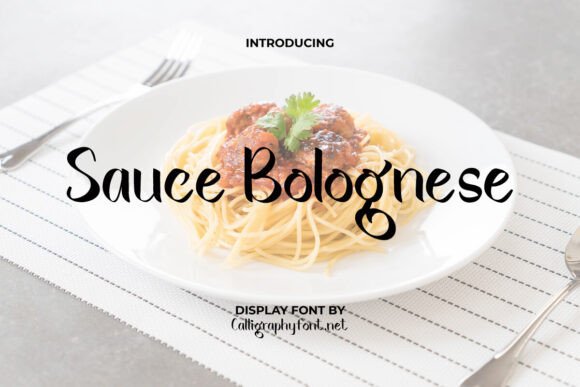
Sauce Bolognese is a display font that brings a modern, stylish aesthetic to digital design. Its elegant brush strokes and refined character structure make it ideal for web designers seeking a typeface that commands attention while maintaining visual sophistication. Whether used in headers, logos, or decorative elements, this font adds a touch of personality to any digital project.
Sauce Bolognese for Website Headers and Hero Sections
Sauce Bolognese excels as a display font for website headers and hero sections, where its bold yet graceful strokes create an immediate visual impact. Web designers can use it to draw attention to key messages, brand names, or call-to-action buttons. The font’s unique character forms add a sense of elegance and creativity, making it perfect for food-related websites, lifestyle brands, or creative portfolios.
When applied to hero sections, Sauce Bolognese enhances the overall tone of a site, reinforcing a brand’s identity through typography. It pairs well with clean, minimalistic layouts, allowing the font to stand out without overwhelming the design. For maximum effect, use it at larger sizes to ensure legibility across different screen sizes.
Sauce Bolognese for Call-to-Action Areas and Buttons
In call-to-action areas and buttons, Sauce Bolognese offers a striking contrast against simpler background designs. Its brush stroke details give it a handcrafted feel, which can be particularly effective for brands aiming to convey authenticity or artistry. However, it's important to balance the font’s ornate style with readability—especially on smaller screens or dark backgrounds.
For optimal performance, use Sauce Bolognese in CTA buttons only when the message is short and direct. Avoid long phrases or complex text that could reduce clarity. Pairing it with a sans-serif font for supporting text helps maintain visual hierarchy while keeping the design cohesive.
Sauce Bolognese for Online Store Banners and Product Pages
Sauce Bolognese is an excellent choice for online store banners and product pages, especially for brands focused on food, cooking, or artisanal goods. Its stylish appearance aligns well with the visual language of culinary experiences, helping to reinforce a brand’s theme and appeal to target audiences.
When designing banners, use Sauce Bolognese for headlines and key selling points. Keep the surrounding layout simple to avoid clutter. On product pages, it can be used for titles, taglines, or special promotions, adding a touch of sophistication that elevates the overall shopping experience.
Sauce Bolognese for Blog Graphics and Social Media Content
Blogs and social media content benefit from the visual flair of Sauce Bolognese, especially when used in graphics, post titles, or captions. Its brush stroke details add a handcrafted, artistic feel that resonates with audiences looking for creative and engaging content.
Designers can use Sauce Bolognese to create eye-catching headlines for blog posts or social media visuals. When paired with complementary colors and imagery, it helps establish a consistent brand aesthetic across platforms. Ensure that the font remains readable by limiting its use to short, impactful phrases.
Sauce Bolognese for Brand Identity and Logo Design
Sauce Bolognese is a strong candidate for logo design and brand identity work, particularly for businesses that want to convey a sense of style, creativity, or tradition. Its refined appearance makes it suitable for food brands, boutique stores, or creative agencies looking to build a memorable visual identity.
When using Sauce Bolognese in logos, consider how it scales at different sizes. At smaller sizes, the font’s details may become less distinct, so it’s best suited for primary branding elements rather than secondary text. Test the font in various contexts to ensure it maintains its integrity and appeal.
Sauce Bolognese for Responsive Web Layouts and Mobile Screens
On mobile screens and responsive layouts, Sauce Bolognese requires careful application to maintain readability. Its brush strokes are more pronounced at larger sizes, so it works best for headings, section titles, or decorative accents rather than body text.
When designing for mobile, ensure that Sauce Bolognese is used in a way that doesn’t compromise user experience. Avoid placing it over busy backgrounds or image overlays that could obscure the characters. Instead, use it in clear, high-contrast areas to maximize legibility and visual impact.
Sauce Bolognese for Font Pairing and Editorial Design
Sauce Bolognese pairs well with other fonts that complement its style, such as serif or sans-serif typefaces. For editorial design, pairing it with a clean, readable font can create a balanced and professional look. This combination is ideal for blogs, magazines, or content-heavy websites where both aesthetics and usability are important.
When experimenting with font pairings, test different combinations to find what works best for your design. Use Sauce Bolognese for headings and subheadings, and reserve simpler fonts for body text. This approach ensures that the font’s unique characteristics shine without overpowering the rest of the layout.
Sauce Bolognese for Commercial Use and Licensing
Before using Sauce Bolognese in commercial projects, check the licensing terms to ensure compliance with web design, client work, or online store requirements. Most premium fonts allow for commercial use, but it’s essential to verify the specific rights granted with each purchase.
For web designers and digital creators, having access to a reliable font like Sauce Bolognese can streamline the design process and enhance the quality of their work. Always choose fonts that offer flexibility in file formats, weights, and multilingual support to meet the needs of diverse projects and audiences.